
when is the right time to replace your boat lifts
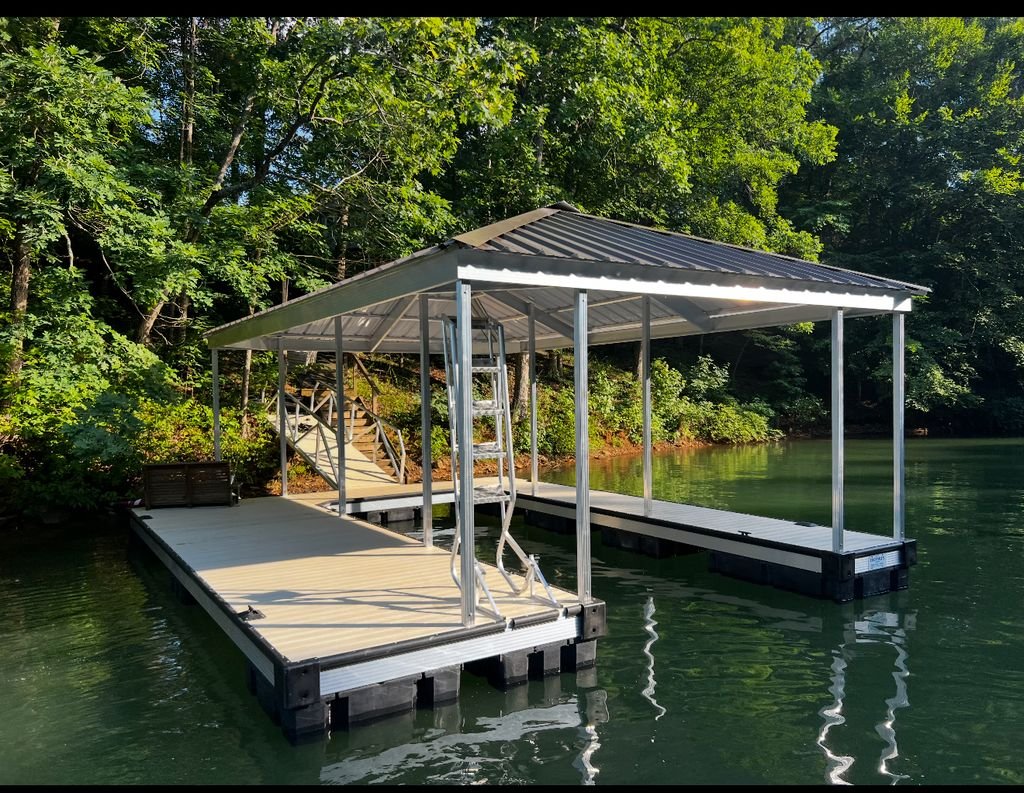
Buying a boat is an investment in itself. Boats are expensive and require a lot of maintenance. You have to keep them in running condition or else they can get problematic, presenting many issues. When you make such an investment, it’s wise enough to keep it in its original condition so you don’t lose your money. Boat lifts are one of the things that keep your boats in original condition. Hence, you need to assess when’s the right time to replace your boat lifts.
A boat lift is an apparatus that helps you suspend your boat in mid-air so you can prevent it from getting corroded and also get a clearer view of how things are on the undersurface of the ship/boat.
Why Are Boat Lifts Used?
As mentioned, boat lifts are used to suspend boats from the water. That means you can thoroughly clean the undersurface and check for any damages. People who purchase boats as an investment usually don’t use them that often. So, to prevent any corrosion and decaying of the body of the boat, it is suspended from the water and preserved in a safe space.
Any sort of repairs are also done by using boat lifts. The lift cables that are attached to the boat are strong enough to keep the boat suspended in the air for days. There are a lot of other things that play a huge role in the life of a boat lift. A boat lift motor is what generates enough power to lift a heavy-weight boat.
Boat Lift Maintenance
There are a lot of things involved in the maintenance of boat lifts. A boat lift apparatus is just the platform on which the boat sits. In fact, there are other components attached to it that need to be replaced or repaired.
Boat Lift Cables
A boat lift cable, as the name suggests, is a cable that serves the purpose of attaching the boat lift to the lift motor. This cable has enough strength to withhold tons of weight without breaking. However, its frequent use leads to slight damage over time and needs to be repaired or replaced. After all, you don’t want your expensive boat to fall from mid-air because of a faulty cable.
There are two types of problems a lift cable can face.
Internal Cable Abrasion
This happens when the strands of the cable work against each other and get damaged by continuous friction. An easy fix for this is to keep the cable lubricated so the strands can rub freely against each other without creating wear and tear.
External Cable Abrasion
This happens when the points of cable in contact with the pulley system get damaged. This can also be fixed by lubricating that region. However, since the cable has solid strands, it is very likely to observe cable bends. Cable bends can cause further issues as they weaken the cable in that region, making it brittle and fragile.
Rust
Since the boat lift is in constant contact with water, it is highly possible for it to become rusted. As the wet platform is suspended in air, it becomes exposed to oxygen, which causes a chemical reaction and leads to corrosion or rust.
Treating Rust
Ideally, when you discover rust, you should focus on removing it from the surface first. After that, the surface needs treatment so no rust can form again. Once the rust is removed, the surface should be rubbed using sandpaper to even it out. This is a lengthy process that ends with adding layers of corrosion-free paint to the surface to keep it protected.
Winch Drum
The lifespan of your lift cable depends on the care and maintenance it receives, the type of cable you have, and the number of times it’s used. The cable experiences wear every time you lower or raise the boat over the winch drum. The strand of wire moves at varying speeds. When abrasion occurs, some strands become loose, causing the cable to lose strength.
What is The Proper Lift Cable Maintenance?
Lift cables can be replaced after a visual inspection for better decision-making. The most effective method for inspection of the boat hull is when it is on dry terrain. It’s a good idea to position the lifting station in a low position and keep the cables from falling down.
Examine the vertical length of the cable, particularly around the winch. Check the entire length of the cable for frayed wire. Wear gloves to keep your hands protected, as broken pieces can be very damaging to unprotected hands.
How Long Will a Boat Lift Last?
A boat represents a large investment. It will remain in your possession long into its lifespan. It’s normal for a lift system to last slightly less time than the boat itself. Boat lifts are often built to last 25+ years with proper service and maintenance.
Lift Cables and Pulleys
Lubricate cables using penetrating oil or abrasive grease. Replace cables that show rust, cracked cords, fraying, or twisting. Make sure lifting pulleys are lubricated and screws are tight. Check the winch drum as the cable winds to prevent slippage.
Never allow lifting cables to fall slack. A slack line can cause damage and injury. Never use screws or tools when attempting to remove wire cables, as serious injuries can occur.
Motors, Gearboxes, and Drive Units
Check the boat lift for signs of corrosion or water retention. Ensure drainage holes are clear. Perform yearly inspections of motors and transmission components. Check cable positioning and identify areas needing lubrication.
Warnings About Weight
A boat lift must support the weight of the boat and its equipment. A 20-foot boat typically weighs between 4,000 and 6,000 lbs, including fuel, water, oil, and engines.
Keep everyone out of the boat while it is lifted. When the boat is not in use, remove the drain plug. Rainwater can collect and add weight (approximately 8 lbs per gallon).
Lift Beams
Inspect bunks for damage and check flooring underneath for cracks. Lifts should remain off the water during use. Consider aluminum or vinyl bunk systems to reduce carpet replacement. Ensure all screws are tight and bunks are properly aligned with your boat.
Conclusion
Your boat is a valuable investment worth protecting. Boat lift systems are designed to last at least 25 years, but components such as cables may need replacement sooner. The right time for replacement depends on deterioration, corrosion, or damage.
Lift cables are among the most commonly replaced components and should be inspected regularly. Always wear gloves when inspecting cables, as sliding hands along exposed wire can cause injury.
As dock lifts become more common, it’s important for dock owners to rely on professional services that ensure safe and proper lift operation.
FootHills Dock & Lift Repair offers a variety of boat and boat lift maintenance services. With winter approaching, you can rely on our services to help winterize your boat. We also provide lift removal, dock resurfacing, dock cleaning, and general dock maintenance.