
What Size Dock Can I Build Without a Permit?
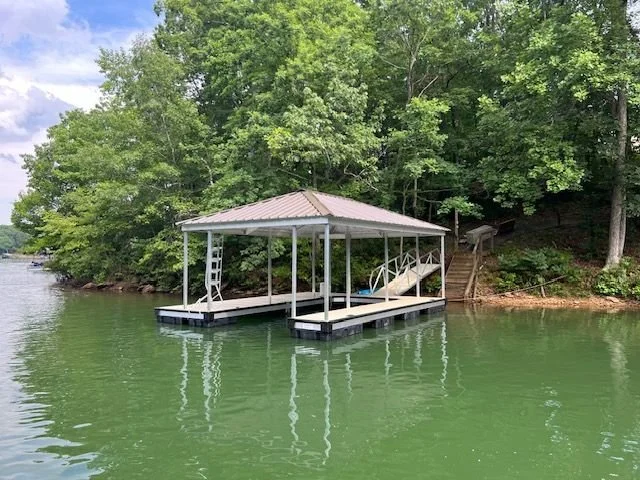
If you’ve recently purchased waterfront property—or you’ve had a view of the water for years but finally want to do something about it—you’ve probably started thinking about building a dock. That makes perfect sense. A dock not only gives you access to the water, but it can also create a beautiful, functional space to enjoy with family and friends. But here’s the part no one loves talking about: dock permits. Let’s get into that—without the red tape headache. We’ll talk about the basics of dock construction rules, what’s typically allowed, and how to navigate the process.
Let’s Start with the Short Answer
In most cases, you do need a permit to build a dock—especially if you’re constructing permanent docks, using pilings, or extending it out into public waterways. However, the size and type of dock you’re planning to build can affect if you’re eligible for an exemption or a simplified process.
But here’s the thing: there’s no universal dock size rule across the U.S. that applies to every situation. Requirements vary drastically depending on:
Your state
Your city or county
If your land is considered riparian property
The type of waterway (lake, river, ocean, bay)
If your dock is floating or fixed
Local environmental protection laws
And if your dock affects public access or navigation
Local Regulations Rule the Dock World
Every location has its own local regulations, and those rules dictate what kind of structure you can build on your shoreline. No matter if you’re on a quiet inland lake or along a bustling coastal waterway, municipalities typically require that you go through some form of permit application for new docks—especially if your dock will extend past a certain length or affect the surrounding environmentally sensitive areas.
It’s important to check with your county, city, or even your local homeowners association (HOA), if you have one. Some HOAs have their own rules that may be more restrictive than city codes.
Dock Building Regulations in Seneca, South Carolina
In Seneca, South Carolina, most docks—especially on Lake Keowee—require a permit from Duke Energy. No matter if you’re building a floating dock or a permanent structure, you’ll need to follow local regulations to make sure it doesn’t impact water quality, navigation, or neighboring properties. Always check with Duke Energy and the city before starting your dock construction. You’ll need to apply for a permit through Duke Energy’s Lake Access Permit System (LAPS) or contact their Lake Services team directly.
What’s Considered a “No-Permit” Dock?
If you’re hoping to skip the complex permitting process, there are a few scenarios where that might be possible. For example:
Floating docks that are seasonal, removable, and small in size may be exempt from full permitting in certain states.
Some regions allow docks up to a certain size, like 100 square feet, without requiring a permit.
If your dock is for non-commercial use, on private property, and located on a small lake, you may qualify for an exemption.
If your construction doesn’t involve pilings or affect water quality, shoreline stability, or neighboring properties, you may fall under a “no-permit-needed” category.
However, and this is a big however—you still have to file paperwork in many of these situations to verify that your project is exempt.
You’ll usually need to file a notification with your state’s department of environmental protection, army corps, or a similar governing body. It’s not just a free-for-all out there.
Understanding the Dock Size Limits
So, when you’re trying to figure out what size dock you can build without a permit, you have to ask: What kind of dock are you planning?
1. Floating Docks
These docks float on the surface of the water and are usually anchored to the shore or bottom with cables or chains. They’re more flexible with changing water levels and are less invasive to the shoreline.
Permit requirements? Sometimes not, if the dock is small, temporary, and not attached to pilings.
Typical no-permit size: Often up to 100–200 square feet or 20–30 feet long, depending on local rules.
2. Permanent Docks
These are fixed structures often built with pilings or concrete supports. They’re more durable and better for heavy use or commercial docks, but they almost always require permits due to their impact on the shoreline and environmental impact.
3. Commercial vs. Residential Use
If you’re building a commercial dock, the rules are more stringent. You’ll almost certainly need additional permits, undergo a review process, and possibly submit detailed plans and environmental studies.
For residential docks, the process is usually less intense, but you still need to comply with local laws, especially if your dock could obstruct navigation or disrupt public access.
Property Type Matters: Riparian vs. Private Land
If you own riparian property—meaning land that borders a river or lake—you generally have more rights to build a dock. But even then, your rights are subject to state and federal regulations.
For private lakes or ponds fully contained on your private property, the rules are often more relaxed, especially if the body of water isn’t connected to a navigable waterway.
On the flip side, if your property touches a public waterway, dock construction is highly regulated to protect shoreline integrity, water quality, and navigation routes.
Tips for Navigating the Entire Process
Let’s face it: figuring out if your dock requires a permit can be frustrating. But here are some tips to navigate the process with a bit more clarity:
1. Talk to Your Local Planning Office First
It may be tempting to dive into dock construction the minute inspiration strikes, but your local planning or zoning office should be your first stop. Ask them:
What’s the maximum dock size allowed without a permit?
Are there restrictions based on distance from shore, dock height, or water depth?
Is your area zoned for dock usage?
2. Get a Property Survey
Before you hire someone to build your docks, make sure you know exactly where your property lines are, especially if you’re close to neighboring properties. Building too close to someone else’s land could open you up to legal disputes.
3. Consider the Waterway Type
If your dock is on a river, the current, depth, and public access considerations may differ from a calm lake. In some locations, water level changes and erosion are big concerns, which affects if you need an environmental review.
4. Account for Safety & Environmental Factors
Even if a permit isn’t required, you should still consider:
Is your dock safe for storage and walking?
Will it affect fish or plant life?
Does it comply with code regarding construction, lighting, or landscaping?
When You Definitely Need a Permit
Some situations almost always require formal permits:
Your dock uses pilings or permanent footings.
It’s intended for commercial use.
The construction is located in an environmentally sensitive area.
It exceeds local dock size limits.
The dock blocks navigation or public access.
You’re building on a beach or tidal zone.
The project includes electrical wiring or plumbing.
Final Thoughts : Dock Size Without Permit
Building a dock can be one of the best upgrades you make to your waterfront property. But getting the size, structure, and permits right from the start can save you time, money, and legal headaches.
So what size dock can you build without a permit? It depends—on your location, the dock type, local laws, and the entire process set by your city or state. But now, you’re armed with the right questions to ask and the right steps to take.
Call Foothills Docks for All Dock Solutions in South Carolina
Foothills Docks is here to take care of all your dock building and installation needs. With over 20 years of experience and more than 1,500 docks installed, we’re experts in dock construction, installation, and fabrication. We specialize in providing dock solutions that are perfect for Lake Keowee and Lake Hartwell.
As a family-owned business, we’re listed as knowledgeable contractors with Duke Energy, and we’ll help you through the permitting process to make sure our dock designs are approved. Give our dock construction specialists a call to learn more!
